






Peanut butter pay, performance, and AI: HR leaders weigh in on compensation's hottest topics at HR Transform 2026
We hit the floor at HR Transform 2026 in Las Vegas to get compensation leaders unfiltered take on performance management, peanut butter pay increases, and how AI is impacting comp.
.avif)
Pricing hybrid jobs: 4 approaches for HR and compensation professionals
Hardly a day goes by without someone asking us how to price a hybrid job. There's no one-size-fits all answer. But here are four approaches to get the right range.



Are AI data centers fueling wage growth in construction jobs?
Golf simulators. Five-star cuisine. Six-figure salaries. Data center construction sites are making headlines. But is the AI building boom actually moving the needle on construction wages. We dug into the numbers.

Using ChatGPT for benchmarking is a terrible idea
ChatGPT gave us two salary ranges for the same job with a $28,000 difference between them. Which one is right? Neither. Here's what happens when you trust the wrong AI with benchmarking.

.avif)
The legislative lowdown: February 2026
Connecticut is moving closer to salary ranges in postings and Illinois wants variable pay in job ads. Meanwhile, Denmark and Italy are moving ahead on EU Pay Transparency Directive compliance. Read all about it in this month's legislative lowdown.



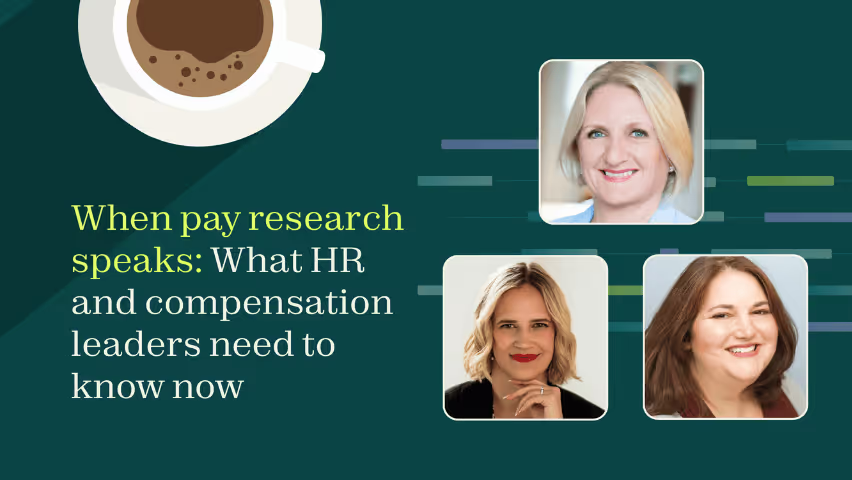
Why compensation and HR decisions are so tricky in 2026
Is this the age of economic re-enlightenment? Companies planning for growth while cutting costs? Our panel of experts sits down to discuss this, AI adoption in compensation, and why HR needs to bring better data to the boardroom.
Pay conversations, freshly brewed
HR and comp leaders are under pressure: tighter budgets, new transparency laws, and rising expectations from every direction. Our podcast brings you expert insights so you can step into every pay conversation with clarity, confidence, and a plan.
Want to join us on the mic?
Let’s talk: coffee@payscale.com
Want to join us on the mic?
Let’s talk: coffee@payscale.com